Skip to content


Gleiwitz—anyone who hears that name and is interested in history immediately thinks of the Nazis’ despicable propaganda stunt: the alleged storming of the Gleiwitz military radio station. Adolf Hitler used the supposed attack by Polish soldiers on the radio station as a pretext for the invasion of Poland and thus the start of World War II. In reality, the attack had been staged by SS men—a pretext for invading Poland.
Yet one could easily forget this episode in world history while strolling through the bustling metropolis of present-day Poland. For at second glance—and with a little background knowledge—every trip to Gleiwitz becomes a stroll through German history and the Polish present—all imbued with its own Silesian spirit. In this respect, Gleiwitz is similar to Wrocław —only more compact and without the crowds of tourists.
Gliwice—What You Should Know
Gliwice, the former German Gleiwitz, with a population of about 170,000, is the third-largest city in the Upper Silesia metropolitan region. Following Nazi Germany’s defeat in the Second World War, the German inhabitants were expelled from Silesia. The German city of Gleiwitz—which, unlike Katowice, located just 35 kilometers away, still belonged to the German Reich during the interwar period—became the Polish city of Gliwice. The city’s mines and steel mills supplied the People’s Republic of Poland, which was under Moscow’s control, with important raw materials and goods. Silesia’s industrial history remains evident to this day. Unlike in the German Ruhr region, many coal mines here are still in operation. Yet Gliwice also reflects Poland’s transformation from a run-down People’s Republic into a modern democracy with a rate of economic growth that most of its European neighbors can currently only dream of. The beautiful market square with its distinctive town hall, the old Art Nouveau buildings, the Caro industrialist’s villa, and the world-famous Gleiwitz radio station are more than enough reasons to include Gliwice as a stopover in Poland. Gliwice is ideal for a day trip from Katowice, Wrocław, or Kraków. But the city also has plenty to offer for a short getaway or as a base for exploring the surrounding area. That way, you won’t miss out on the affordable and delicious restaurants here either.
The Top Attractions in Gliwice
Gleiwitz Radio Station (Radiostacja Gliwicka)
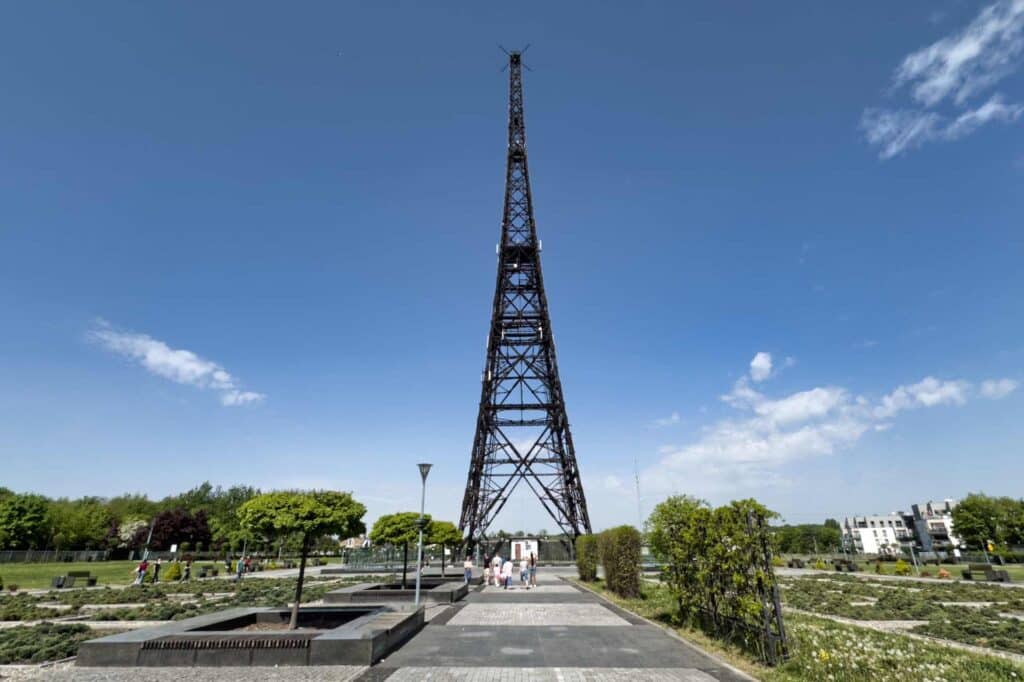
Anyone looking at this simple wooden structure would probably never guess that a bizarre chapter in world history once unfolded here. Built in 1935, the tower served as a transmission mast for the Gleiwitz radio station. That was also the reason why, on the night of August 31 to September 1, 1939, SS men in Polish uniforms showed up here and staged a false attack—the so-called “Gleiwitz Incident.” In doing so, they provided the official German pretext for the invasion of Poland, which marked the beginning of World War II in Europe. Today, it’s a museum that displays old broadcasting equipment and tells the story of this place and the consequences of those events. But the impressive wooden architecture is also worth a closer look. After all, it survived both Nazi rule and communism. Definitely worth a visit!
Weichmann Silk House by Erich Mendelsohn (Dom tekstylny Weichmanna)
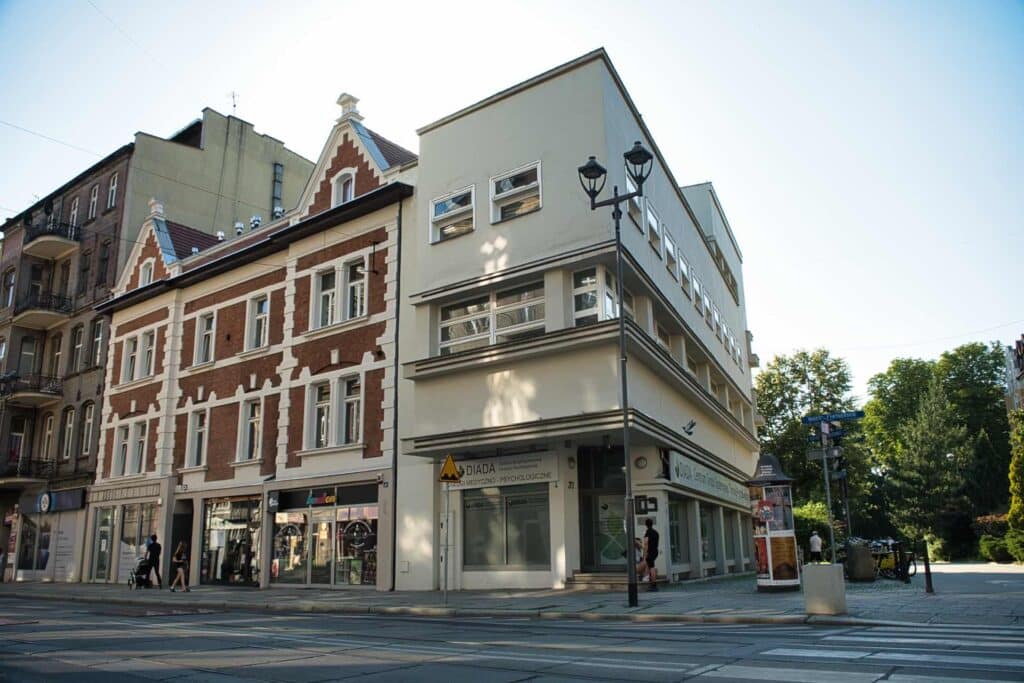
To be honest, the first few times I was in Gliwice, I had no idea that a true treasure of architectural history was hidden there. The Weichmann Silk House at 37 Ul. Zwycięstwa, formerly Wilhelmstraße, was built in 1921–22 by the German architect Erich Mendelsohn and is considered one of the first modernist department stores; it is said to have served as a model for many later department store projects. It was even featured at the Bauhaus exhibition in 1923. It combines functionalist and expressionist elements. As one of the most significant examples of modern architecture in Upper Silesia, some in the city believe it could be Poland’s chance to secure another UNESCO World Heritage Site.
Built for the textile merchant Erwin Weichmann, it originally served as a fabric and textile store. The building’s history is a turbulent one: in 1932, the Jewish Weichmann family left Gleiwitz and emigrated to the United States. Erich Mendelsohn left Germany a year later due to the National Socialists’ rise to power.
After decades of neglect, the building was finally renovated and restored to its original condition. Since 2008, a commemorative plaque and an information sign at the entrance have honored Mendelsohn. Today, the building houses, among other things, a bank.
Old Town and Market Square (Rynek)
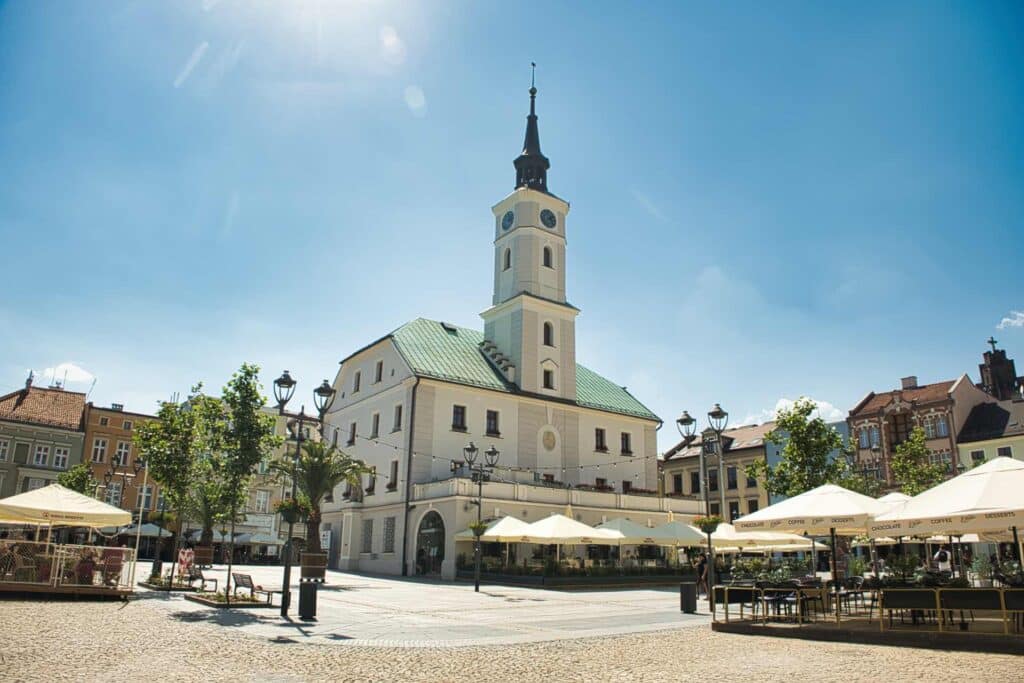
The Rynek (Ring) is the heart of the city and a truly beautiful market square where you can sit and people-watch. Surrounded by colorful townhouses, the City Hall and the Neptune Fountain are the main attractions. On my first visit to the city—when I was stranded there due to a car breakdown—I simply sat down at a restaurant overlooking the square and enjoyed the view. I’ve kept up this tradition ever since. It’s a cozy way to start a visit to Gliwice.
Be sure to keep an eye out for the building at Rynek 22—a beautiful Art Nouveau structure whose delicate facade from the Wilhelmine era makes it a real highlight.
Piast Castle (Zamek Piastów Śląskich)
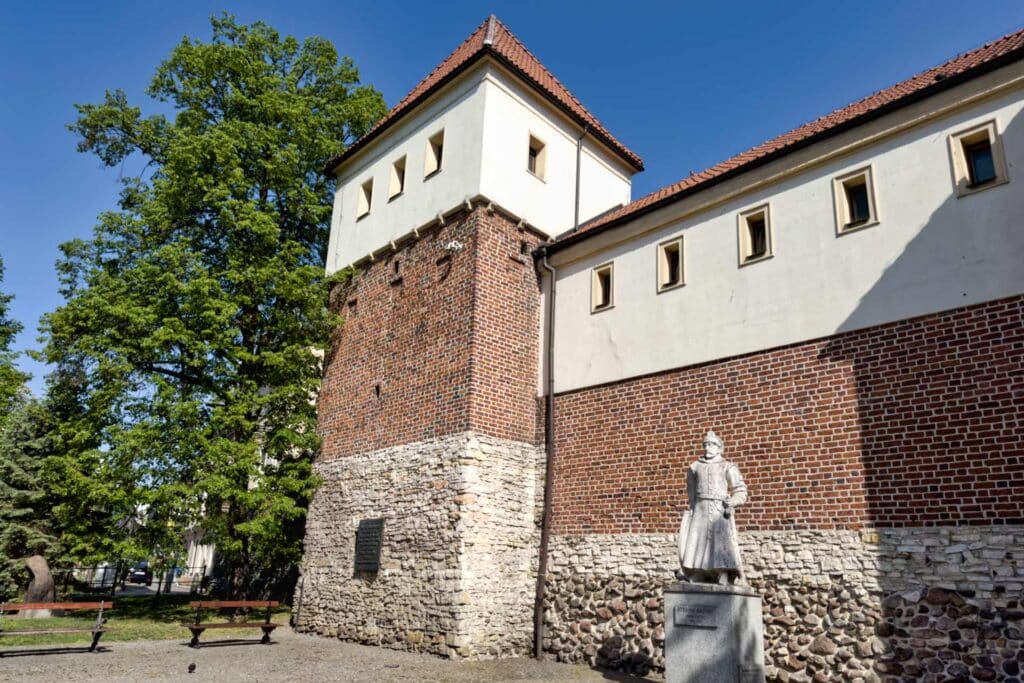
Piastenburg is one of the oldest surviving buildings in the city. It was originally part of the city walls; later, the Gothic building that stands there today was erected on this site. The building’s function remains a subject of research. What is known, however, is that it served as a prison for a long time. In fact, it was probably never a castle, as the Polish word “zamek” might suggest. The name likely did not come into use until the 1980s. Today, Piastenburg houses the Muzeum w Gliwicach—featuring collections on the city’s history, archaeology, and art history.
All Saints Church (Kościół Wszystkich Świętych)
One of the oldest churches in the city—Gothic in origin, remodeled in the Baroque style. The imposing tower towers over everything in the surrounding area. Unfortunately, I had the misfortune of being in Gliwice on weekdays every time, so I wasn’t able to visit the tower. It’s not a massive cathedral, but that’s precisely what makes it so charming: intimate, a bit weathered. A must-see for church enthusiasts, and for everyone else, a lovely quick stop on the way through the Old Town.
St. Peter and Paul Cathedral (Katedra Świętych Apostołów Piotra i Pawła)
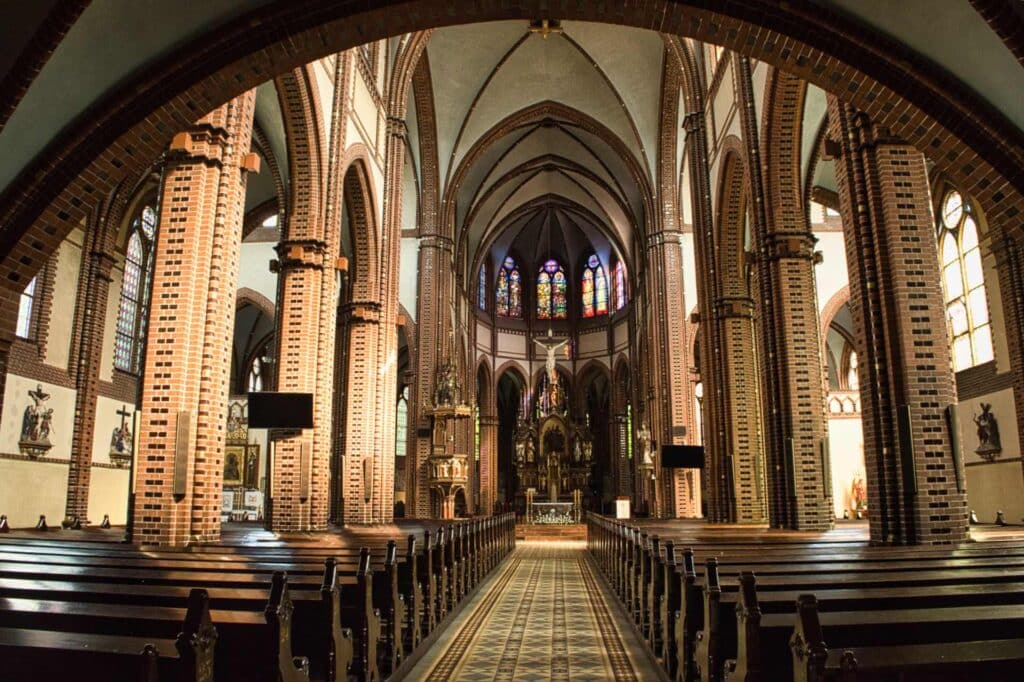
The large Protestant city church on the edge of the Old Town is an imposing brick structure—the most imposing building in the Old Town and architecturally striking. Inside, it is very bright, simple, and dignified. It provides a nice contrast to the much older All Saints’ Church. The towers can be seen from far away.
Art Nouveau and Wilhelminism: An Architectural Walk Through Gliwice
I love architecture and never cease to admire what people are capable of creating. That brings us to my personal hidden gem in Gliwice: The city is an open-air museum of the Gründerzeit and Art Nouveau eras. It’s worth just strolling through the streets and marveling at it all. It doesn’t cost a thing, and if you look closely, you’ll discover traces of the past here and there. You should make a note of the following addresses:
Zwycięstwa Street (German: Wilhelmstraße) —the former main promenade from the German era, flanked by magnificent Gründerzeit buildings. It feels as if you’re in Breslau or Posen. Dotted among them are a few modernist buildings from the interwar period.
Częstochowska 15 —a beautiful Art Nouveau building. The facade is covered with organic ornaments and floral motifs.
Kościuszki 50 —another architectural gem. Wilhelminian architecture at its finest, with an elaborately designed facade.
Joachima Lelewela 6— a somewhat understated but very elegant townhouse that, thanks to the ivy covering it, also has a very cozy and natural feel.
Villa Caro
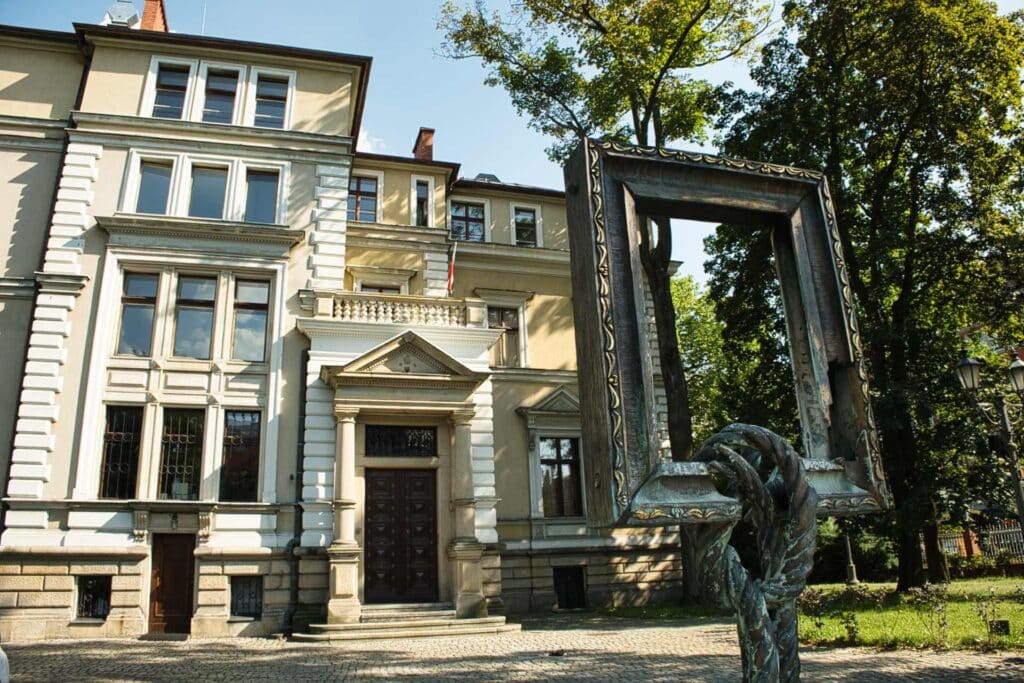
Villa Caro is a late-Neoclassical and historicist villa from the late 19th century and is now part of the City Museum. The building itself is beautiful—elegant on the outside, with rotating exhibitions on the inside. During my last visit, there was an exhibition on Zdzisław Beksiński, who is sometimes referred to as the Polish HR Giger.
Green Oases and Urban Surprises
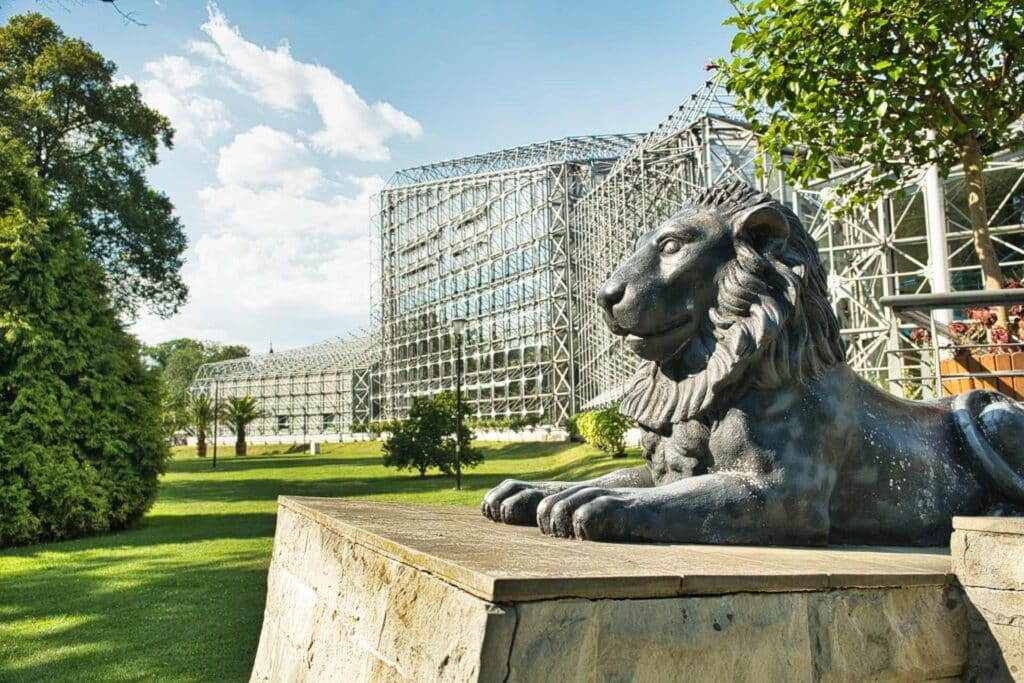
Palm House (Palmiarnia Gliwicka)
Speaking of taking a deep breath. Who would have thought that Gliwice has a tropical greenhouse? I certainly didn’t. The Palmiarnia is a beautiful historic greenhouse filled with tropical plants, palm trees, and a small zoo area. It sounds like a school field trip, but it’s actually charming and a great idea for a rainy day—or just for fun.
Ruins of the Victoria Theater (Ruiny Teatru Victoria)
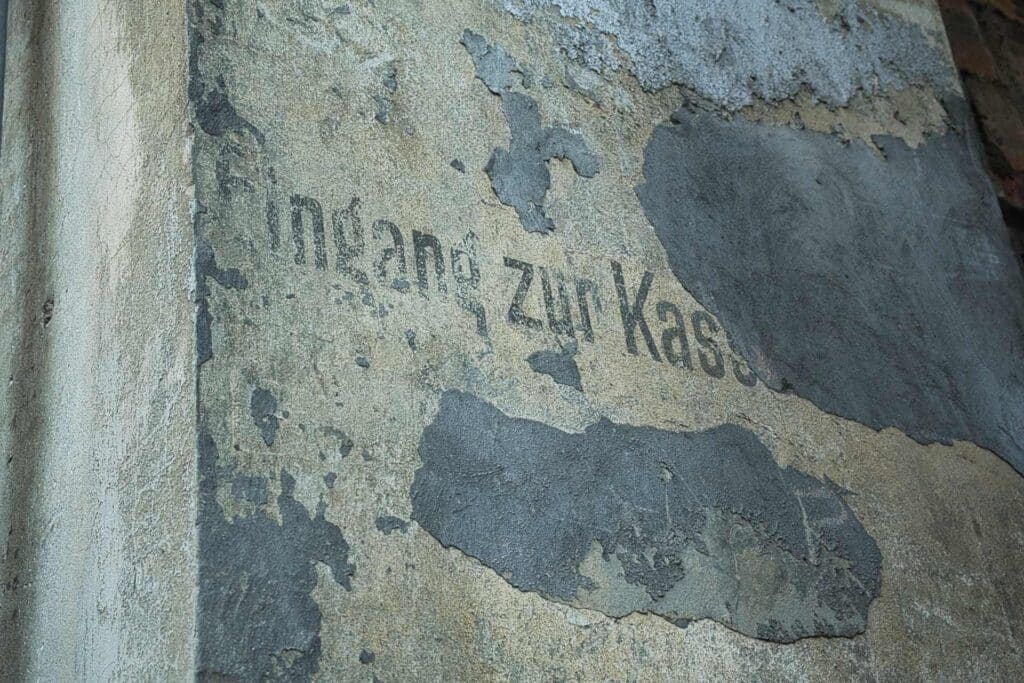
One of my favorite places in Gliwice: the ruins of the former Victoria Theater right in the heart of the city. The building was set on fire in 1945 during the Soviet invasion and was never rebuilt. However, since the 1990s, an association has been working to revitalize the theater while preserving it as a ruin. Cultural events are held here: concerts, film screenings, and, of course, theater performances.
Main Post Office (Poczta Główna)
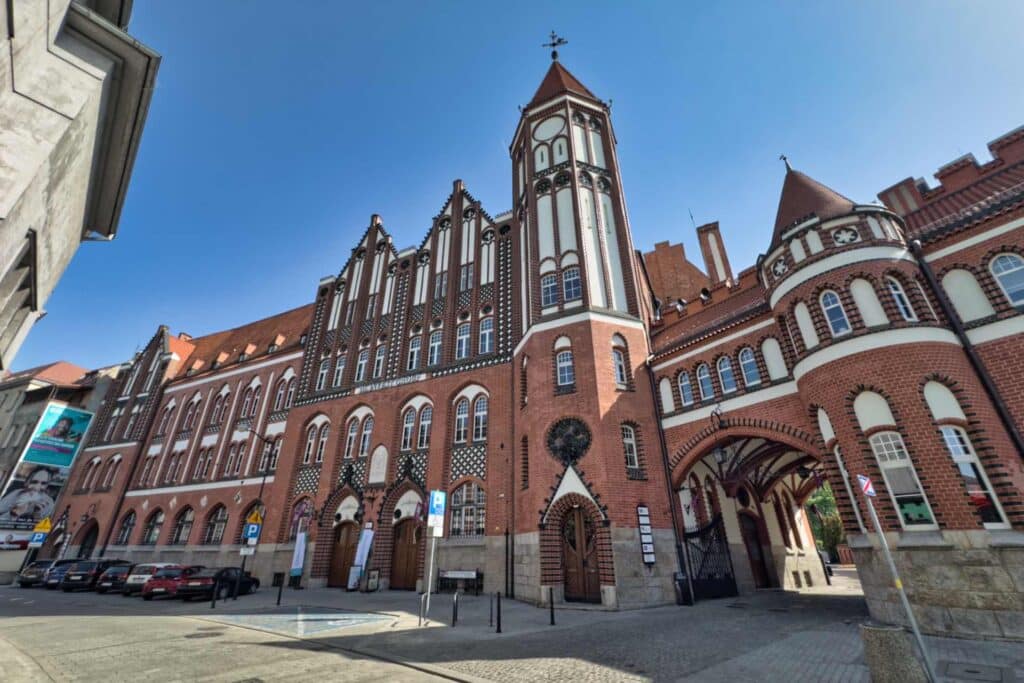
Yes, this is a recommendation for a post office building—but what a one! The former Reichspost is an imposing, Wilhelminian-style masterpiece that shows just how much the Imperial era invested in Gleiwitz. Even today, you can still go inside and drop off packages—in a building that looks like a small castle. Be sure to take a look inside.
Industrial Culture and Change: Nowe Gliwice and the Canal
New Gliwice (Nowe Gliwice)
The old coking plant site of the former Gliwice Coking Plant has been converted into a cultural center—and quite successfully at that. Huge industrial halls, smokestacks, and an atmosphere that blends the romance of the Ruhr region with the Polish spirit of renewal. Concerts, exhibitions, markets, and events take place here. Even if nothing is going on at the moment, it’s worth a visit for the architecture alone. For anyone who likes the Duisburg Landscape Park: this is its Polish counterpart.
Gleiwitz Canal (Kanał Gliwicki)
The canal connects Gliwice with the port of Koskoś and was long one of Silesia’s most important industrial canals. Today, it’s a beautiful place to take a stroll. The path along the canal—especially heading east—is one of the most relaxing walks I’ve taken in Gliwice. Green, quiet, with a view of the water. Perfect for the early evening.
A story we shouldn’t forget
The Jewish community of Gleiwitz once had a rich history—and traces of it can still be seen today.
House of Remembrance for the Jews of Upper Silesia (Dom Pamięci Żydów Górnośląskich)
The former Jewish funeral hall next to the new Jewish cemetery is a small neo-Gothic gem from the early 20th century. It was built based on a design by the Viennese architect Max Fleischer. The city acquired the building in the early 2000s, renovated it, and established the Museum of the Jews of Upper Silesia there. The 150-square-meter exhibition traces the history of the Jews of Upper Silesia from the 13th century through the Holocaust.
New Jewish Cemetery (Nowy cmentarz żydowski)
The Jewish cemetery is one of the best-preserved of its kind in Silesia. About 600 gravestones have been preserved on the 1.7-hectare site. There is also a memorial here for Jewish soldiers who fell in World War I.
Old Jewish Cemetery (Stary cmentarz żydowski)
The old Jewish cemetery was first documented around 1815. About 700 graves can still be found here near the main train station. The old headstones offer a glimpse into the city’s long and rich Jewish history and the culture that was wiped out by the Nazis’ war of extermination, which took hold in the city as a result of a lie.
Food and Drink: Delicious Dishes from Silesian Cuisine
Gliwice has a small but growing restaurant scene that goes beyond the usual Polish cuisine offerings.
Restaurants and Cafeterias: Here you can enjoy delicious Silesian and Polish cuisine
Bar Mikrus – Not a milk bar, but more of a mini-restaurant not far from the Rynek. They still cook fresh food here. The pierogi ruski are usually sold out by lunchtime. I had a kotlett schabowy (like a schnitzel). It was freshly pounded and prepared while I was there, and it tasted great.
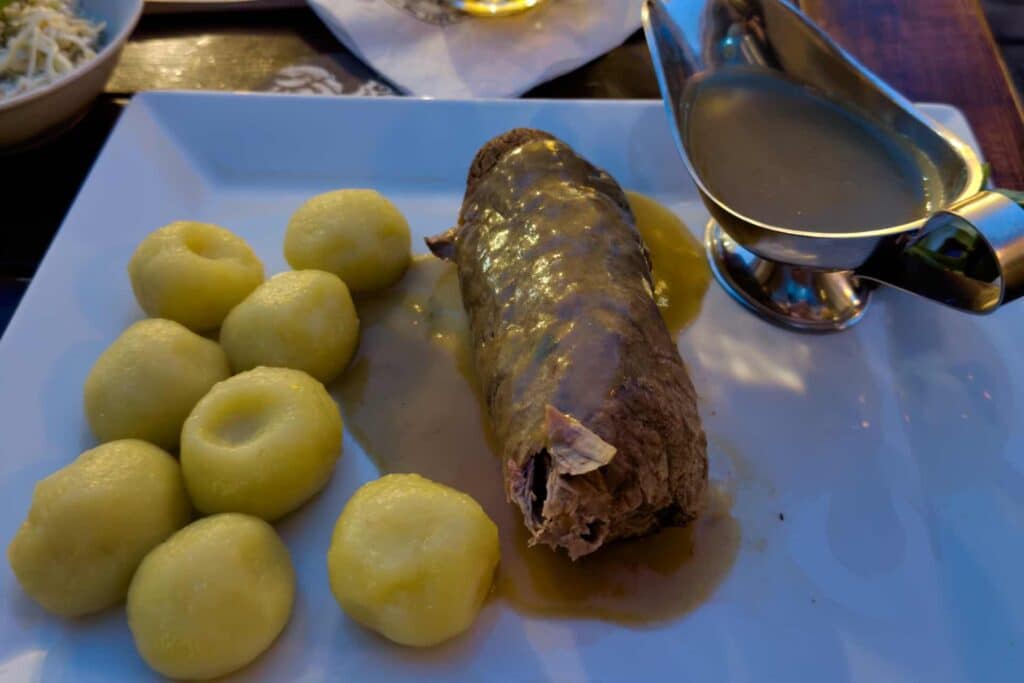
Boska — A little pricier, but it’s right on the Rynek, and in the summer it offers a fantastic view of the square. A great place to enjoy a Silesian roulade (Rolady śląskie)—an absolute must-try.
Bar Teatralny – It’s a short walk, just a few meters. Bar Teatralny has everything a lover of Polish cuisine could want: bigos, pierogi, żurek—all for just a few złoty. An authentic milk bar.
Cafés, bars, nightlife: Great places to hang out during the day or at night
Minibrowar Majer – Local craft beer, a cozy atmosphere, and long evenings. The perfect place to wind down at the end of the day.
Cafés & Wine Bars Around the Rynek – Dining outdoors on the market square is especially enjoyable in the summer. Just sit down, order a beer or some wine, and watch the world go by.
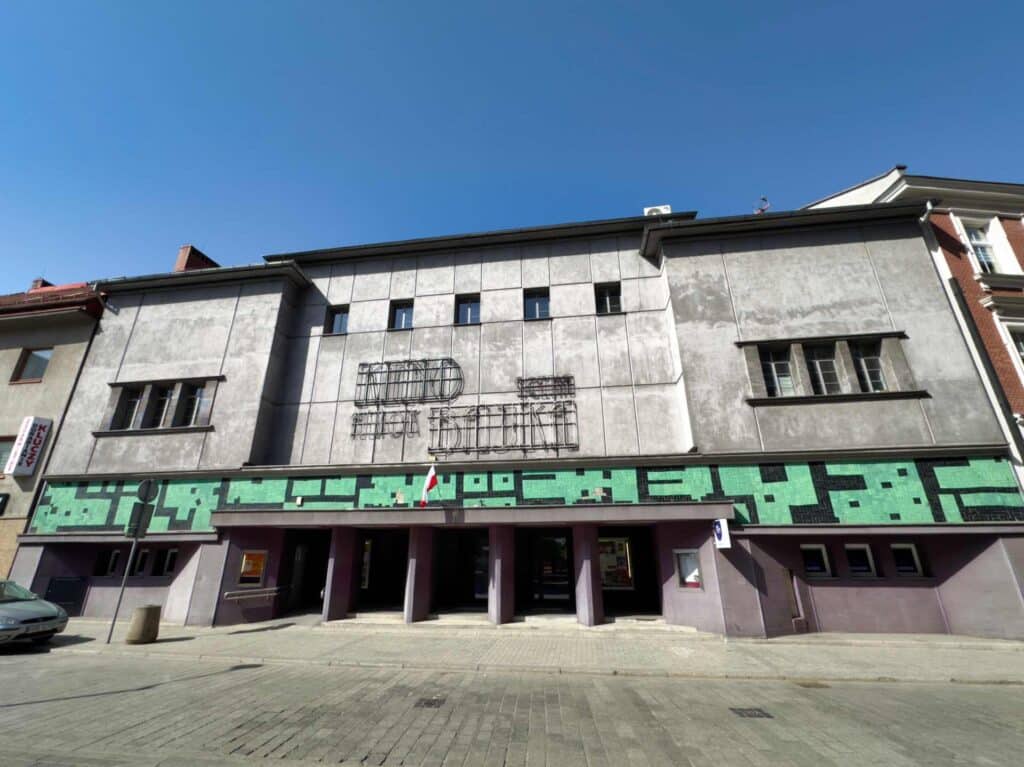
Amok Cinema – This 1920s cinema also shows foreign films with Polish subtitles. Stunning modernist architecture.
Where to Stay in Gliwice
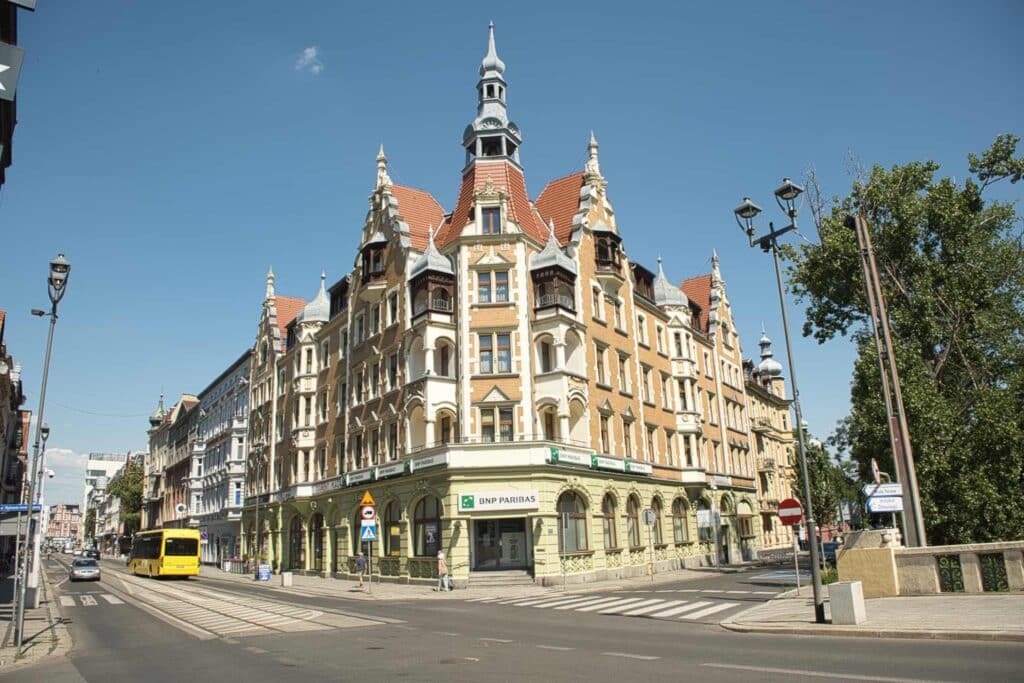
Hotel Diament Plaza Gliwice* – A 4-star hotel located in a beautiful Wilhelminian-style kamienica right in the city center, just a few steps from the Rynek. Classically elegant rooms, a good restaurant, and a lobby bar—a solid first choice if you’re looking for a central and comfortable stay.
Jasna SportHotel & SPA* – An apartment hotel with an extensive wellness area: saunas, hot tubs, a pool, plus a climbing wall, tennis court, and squash court. Perfect for anyone who wants to work out or simply relax after sightseeing—located just outside the city center but with good transportation links.
Studio na Średniej – Gliwice Old Town Studio Apartment* – A compact, newly renovated apartment in a building from the 1920s, within walking distance of the Old Town. Ideal for anyone who wants to live independently and cook for themselves—with its own kitchenette and plenty of local charm.
K2 Loft ApartHotel* – Modern, stylish apartments designed with attention to detail, located about one kilometer from the city center. The Gliwice Arena is also within easy walking distance—a great option for longer stays or for anyone who values more space and privacy.
Events and Festivals in Gliwice
Gliwice Biennale – Every two years in the summer, the Biennale takes place in Gliwice, transforming the city’s public spaces with free concerts, art installations, street art, and performances.
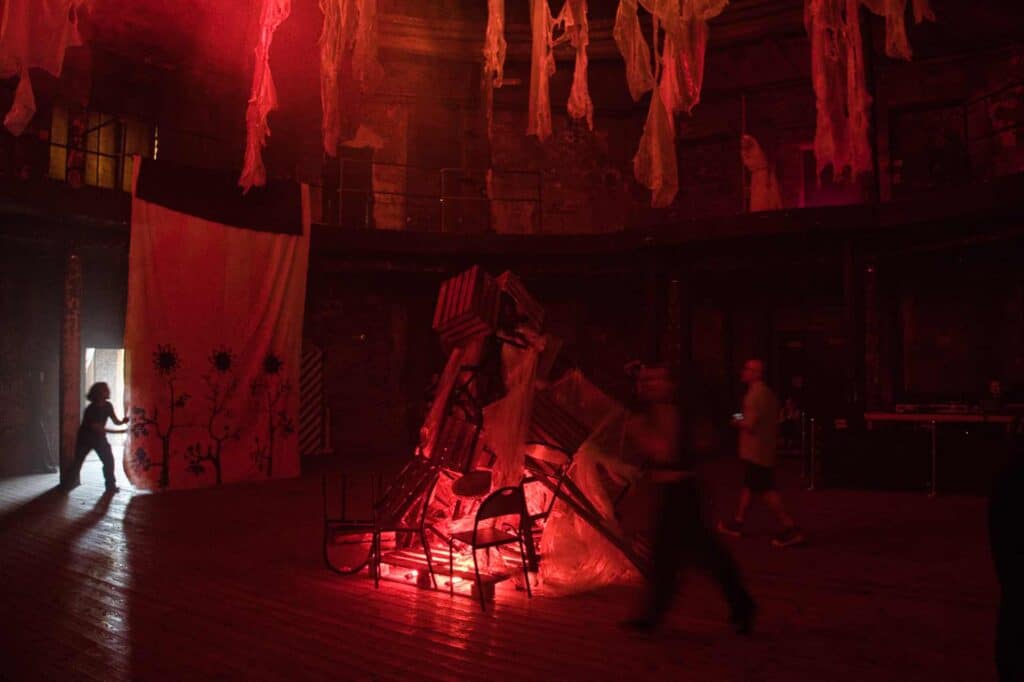
Kierunek GZM – The Microadventure Festival takes place every two years and offers a glimpse into parts of Gliwice that are often hidden from visitors. Many of the events also feature performances. This gave me an interesting look inside the ruins of the Victoria Theater.
True Tone Festival – Held annually in May amid the atmospheric ruins of Teatr Victoria. Over the course of several days, various musicians perform there—the unique setting of the theater ruins makes the festival one of the city’s most visually striking events.
Travel Tips
Getting There: Gliwice is about a 1.5-hour train ride from Kraków and about a 2-hour ride from Wrocław. For those arriving by car: There are parking lots near the Rynek. Many of them now charge a fee.
When to go? Spring and fall are ideal—the city is greener and more colorful, respectively, and the temperatures are pleasant. It can get hot in the summer, but the canal and the parks help.
Language: Polish , of course, but you can get by just fine with English. Some residents also speak German.
Budget: Gliwice is more affordable than Kraków or Wrocław. Food, drinks, and museums cost significantly less than in German cities of comparable size.
Book Recommendations for Gliwice and Upper Silesia
The Forgotten Border: A German-Polish Search for Clues from Upper Silesia to the Baltic Sea
This book takes readers on a personal and historical journey along the former German-Polish border and sheds light on how landscapes, cities, and the way people live together have changed since the border shifts of the 20th century. For readers interested in the eventful history of Upper Silesia and German-Polish ties, it offers a sensitive yet informative insight into a region in constant flux.
Travel Guide: Poland—The South
As a practical travel guide, this volume covers the entire southern region of Poland, from Upper Silesia through Kraków to the Beskids. It combines in-depth background information on history and culture with practical travel tips on accommodations, transportation, and attractions. For anyone wishing to explore Upper Silesia as part of a larger trip through Poland, it provides a solid foundation for navigation and route planning.
Gleiwitz in Old Postcards
This book by Richard Pawelitzki is a collection of old postcards of Gleiwitz. It provides a wonderful overview of the city’s history since the late 19th century.
Is it worth visiting Gliwice?
Gliwice isn’t a place that blows you away right away. It’s a place that wins you over little by little—with buildings where the fate of the world was altered or that defined the style of an entire era in architectural history. Added to this is the incredible dedication of the city’s residents, who—among other things—are transforming the ruins of the Victoria Theater into a vibrant cultural hub. Restaurants serving delicious Silesian cuisine can be found everywhere. A stroll is also well worth it for the diverse architecture and the many green oases. And you’ll find all of this without the crowds of tourists found in Wrocław or Kraków—and often at a slightly lower price. The city also serves as an excellent base for excursions to other cities in Upper Silesia—especially if you prefer a slightly quieter and more laid-back atmosphere than in nearby Katowice.
Have you visited Gliwice yet? Or are you planning a trip to Upper Silesia? Let me know in the comments—I’d love to hear about your experiences!