Serbia

Capital
Belgrade
Population
7,05 Mio.
Currency
Dinar
Languages
Serbian
Dialling code
+381
National holiday
February 15

New about Serbia

Go to regions ↓

Serbia has repeatedly dominated the headlines in recent years. After the collapse of Yugoslavia, there were repeated wars and armed conflicts with states that declared their independence from the most influential part of Yugoslavia. No wonder that Serbia did not enjoy the best reputation for a long time and only few tourists came here. But even the declaration of independence of Kosovo, which is not recognized by Serbia and many other countries, could not change the fact that tourism has long since arrived in Serbia.

No wonder, because the EU accession candidate can score with an exciting mix of cultural and natural treasures. The historic cities of Belgrade and Novi Sad not only have a number of churches, museums and castles worth seeing, but have also became the most important party destinations in the Balkan region. Partying on a boat on the Danube against the backdrop of Belgrade's old town is definetely one of the coolest things imaginable.

But it's not just parties and the big cities that are worth a visit to Serbia. It's the smaller sights in the west of the country that make a trip worthwhile. Old Roman ruins, legendary monasteries and churches characterize this region.

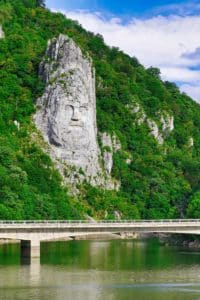
And of course, nature lovers in Serbia also get their money's worth. There are several national parks for hikers, sand dunes, idyllic lakes and larger reservoirs like Lake Đerdap, all of which make great photo motifs.

On the following pages, we want to introduce Serbia to you in more detail. Come with us on a trip to Serbia and get to know the most beautiful regions of the country and get practical tips!

Regions of Serbia

Sorted by number of articles.

More about Vojvodina

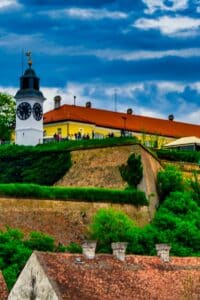
Vojvodina, the north of Serbia, is home to - logically - Serbs, but also many national minorities. Therefore, many different cultural influences can be found here, which are also noticeable in the cuisine and architecture of the region. The most important center of the region is Novi Sad, the second largest city in the country, with its beautiful St. Mary's Church and the Petrovardin Fortress high above the city.

More about Belgrade

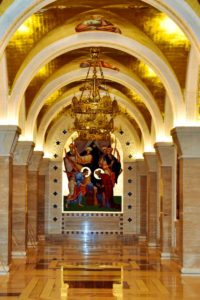
The Serbian capital Belgrade, with 1.3 million inhabitants, is not only the largest city in the country, but also in the entire region. Picturesquely situated at the confluence of the Sava and Danube rivers, you can turn night into day here on party boats. But also culture and architecture fans will enjoy Belgrade. The Cathedral of St. Sava, for example, is the largest church in the Balkan region and a sight of European rank. The Belgrade Fortress is also worth a visit and a walk through the old town Stari Grad with its many pubs should not be missed on any visit to Serbia.

Eastern Serbia

Eastern Serbia

0 articles
More about Eastern Serbia

The east of Serbia is far less often traveled than the heart of the country or Vojvodina. But even here, exciting discoveries are possible. Ever heard of the Galerius Palace in Gamizgrad? It is a testimony to Serbia's Roman past and has been included in the UNESCO World Heritage List. And Niš, the most important city in the region, also has Roman ruins, but also the creepy Ćele Kula, a tower built from skulls of Serbian rebels!

Central and Western Serbia

Central and Western Serbia

0 articles
More about Central and Western Serbia

And even the west of the country is still uncharted territory for many tourists. Why, we do not know exactly, because here you can discover countless impressive sights. Whether Stari Ras, the former capital of the Principality of Rascia, the Studenica Monastery or the medieval Stećci tombstones - all of them have been declared World Heritage Sites by UNESCO.

Plan your trip

For real fans

Our weekly newsletter for real Eastern Europe fans