Although Poland shook off the Communist regime, the country is still a great unknown to many people in the west. Most associate Poland above all with the Solidarność union that fought communism, with Pope John Paul II and lately with a relationship with the European Union that is not free of conflict.
Until 100 years ago, the country was divided between Russia, Germany and Austria, which is why its regions have developed very differently. Culturally, there are therefore considerable differences within the country, which make exciting discoveries possible. National minorities such as Silesians in the south of the country and Kashubs in northern Poland also have their own traditions and customs, which contribute to the diversity of Polish culture.
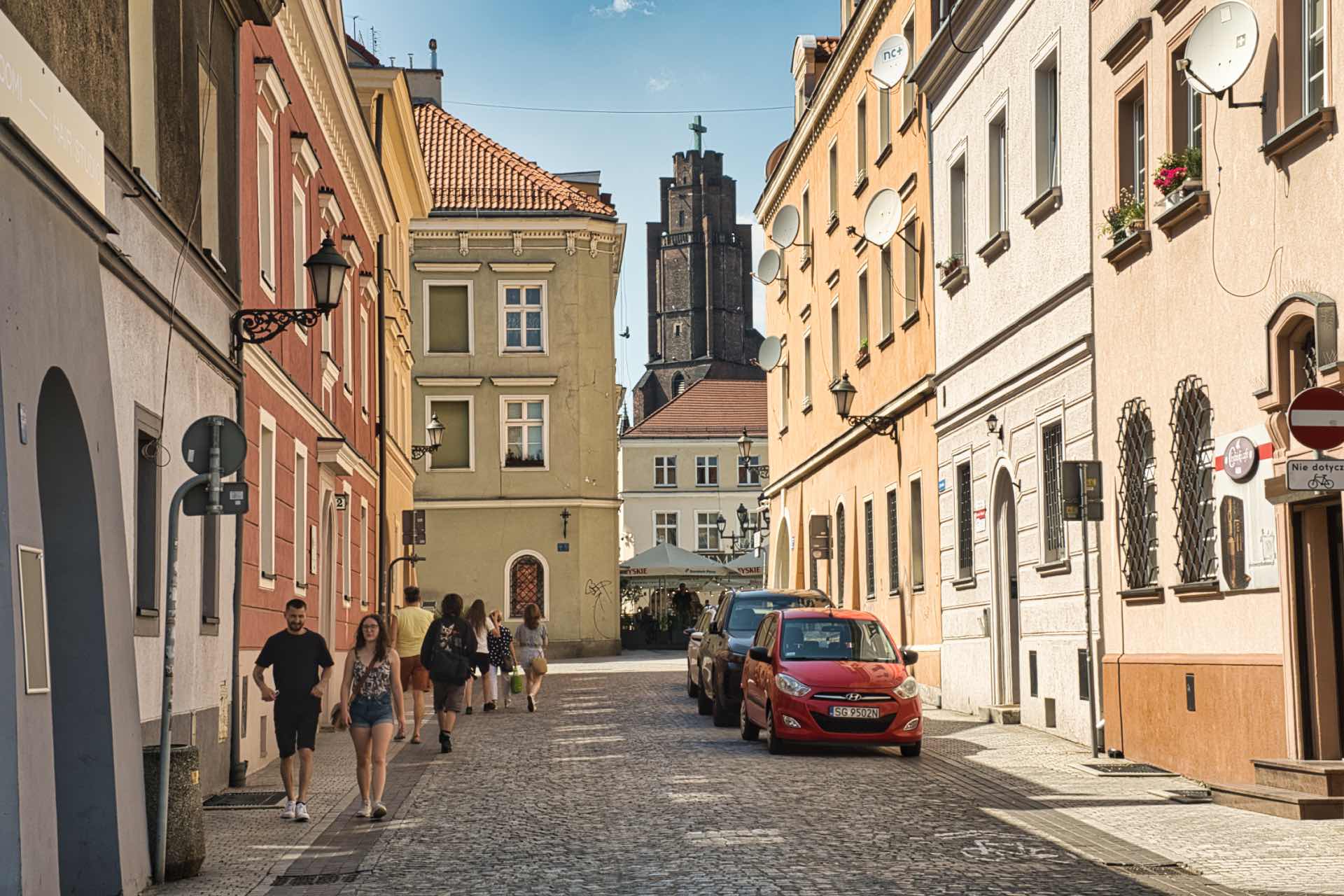
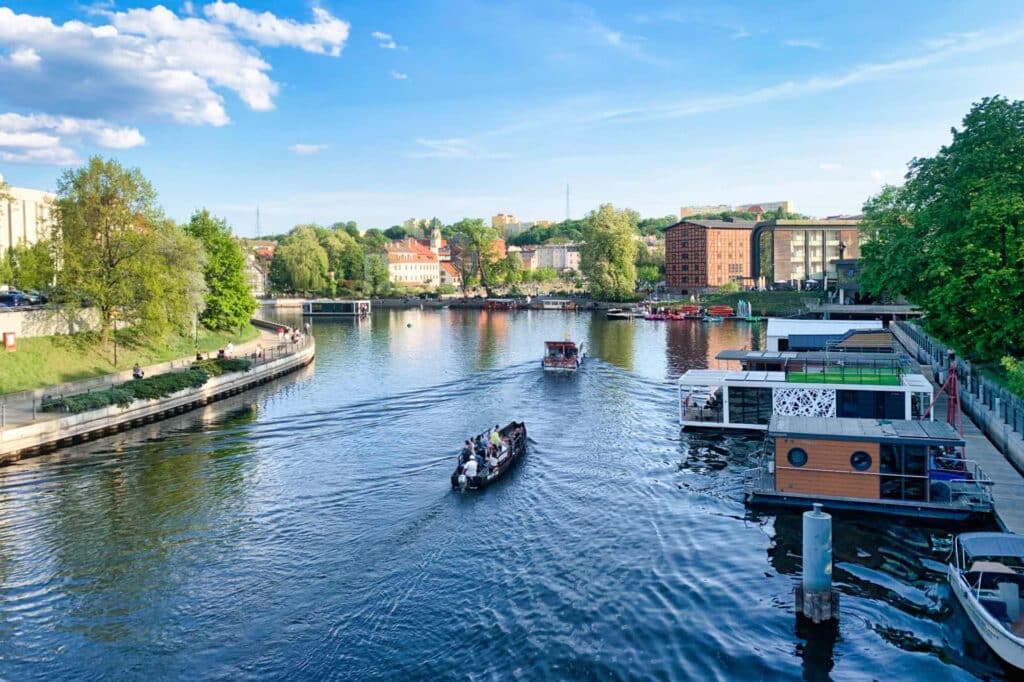
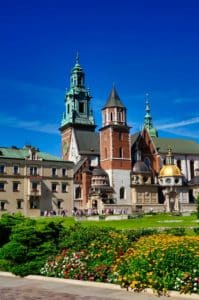
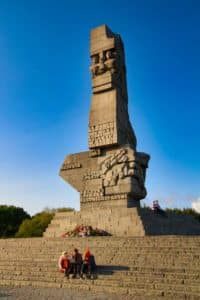
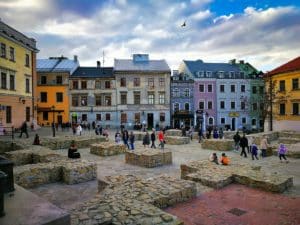
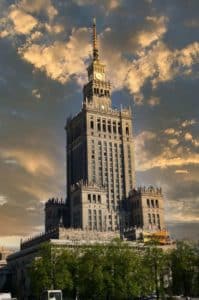
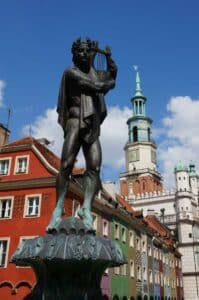
Poland inspires its visitors primarily thanks to its wonderful cities, some of which can look back at a history of many centuries. The capital Warsaw is one of the most dynamic metropolises in Europe and can score points above all with its mix of modern architecture and the unique Old Town, which was rebuilt after the Second World War. In Krakow, the country's historic capital, however, time seems to have stopped. Gdansk offers its visitors hanseatic Baltic Sea flair, while Wroclaw was European Capital of Culture in 2016. Poznan in the west of the country and Lublin in the east are still little known to tourists, but also have beautiful old towns. Łódź, on the other hand, has long struggled with the decline of the local industry, but is fast developing into a modern, creative city. Olsztyn in the far north of the country is the perfect starting point for exploring the region of neighboring Masuria.
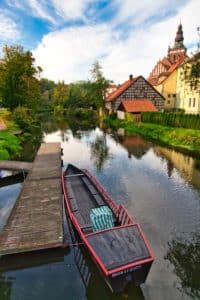
While city tourism has always played an important role, in recent years, more and more people have been drawn to the natural sights of Poland. The country has a diverse natural landscape, with a total of 23 national parks. They range from broad Baltic Sea beaches to the unique Masurian Lake District and the famous Białowieża area, the last primeval forest in Europe. All these beauties are located in the north of the country, but the south also has a lot to offer, especially for hikers: The Bieszczady are, just like the Tatra Mountains in the border area to Slovakia, an offshoot of the Carpathians. The legendary Krkonoše Mountains on the Czech border also invite you to go on extensive tours.
Poland's culture is mainly known for its music. Representatives such as Frédéric Chopin and Artur Rubinstein enjoy world fame, and the jazz scene is also considered one of the most active in Europe. Painters such as Stanisław Wyspiański and Jan Matejko as well as poets and writers such as Adam Mickiewicz and Henryk Sienkiewicz have also developed their own style, strongly influenced by Polish nature, whose influences can still be felt today.
Come with us on a unique journey to Poland and let the country's diversity surprise you! On the following pages you will find practical tips for your trip to Poland, exciting background articles and information about the most important sights and regions.